

What is the Debt-to-Asset Ratio?
Think of this as your "financial skin in the game." It shows how much of the property you actually own versus what the bank owns. To find your number, simply divide your total loan balance by the property's current market value. Example: A $400k mortgage on a $500k home = an 80% ratio.
The "Green Zone": Staying Safe (0% – 60%)
In the U.S. market, keeping your ratio under 60% is generally considered playing it safe. - Why it works: If the market takes a dip—which it does—and home values drop by 10% or 15%, you aren't immediately underwater. - The Perk: You'll likely have a positive cash flow every month because your mortgage payments aren't eating up every cent of the rent. This is the "sleep well at night" zone.
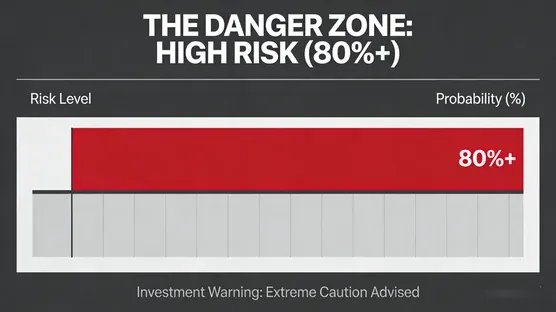
The "Yellow Zone": Aggressive Growth (60% – 80%) / The "Danger Zone": High Risk (80%+)
The "Yellow Zone": Aggressive Growth (60% – 80%) This is where most American real estate investors live, especially when starting out. Using a standard 20% down payment puts you right at an 80% ratio. - The Risk: You're leaning heavily on the market staying stable. - The Strategy: It's okay to be here if the local economy is booming, but you need a solid cash reserve. One bad tenant or a leaky roof can turn a "good" investment into a monthly headache very quickly. The "Danger Zone": High Risk (80%+) Once you cross the 80% mark—often through "low down payment" programs or HELOCs—you're walking a tightrope. - The Reality Check: If property values fall even slightly, you could owe the bank more than the house is worth (being "underwater"). - Warning Signs: At this level, your rental income rarely covers the mortgage, taxes, and insurance. You're essentially gambling that the house price will go up fast enough to save you. Most pros recommend avoiding this unless you're a seasoned flipper with a very short exit strategy.